Goodbye to Surprise Tax Adjustment – Canada’s tax system is entering a more transparent era as the Canada Revenue Agency introduces real-time reporting from 10 January 2026. This change is designed to reduce unexpected tax adjustments that often catch taxpayers off guard months after filing. By improving how income and deductions are reported throughout the year, the new approach aims to give individuals and businesses clearer visibility into their tax position. For Canadian taxpayers, this update promises fewer surprises, faster corrections, and better alignment between what is earned, reported, and ultimately assessed by the CRA.
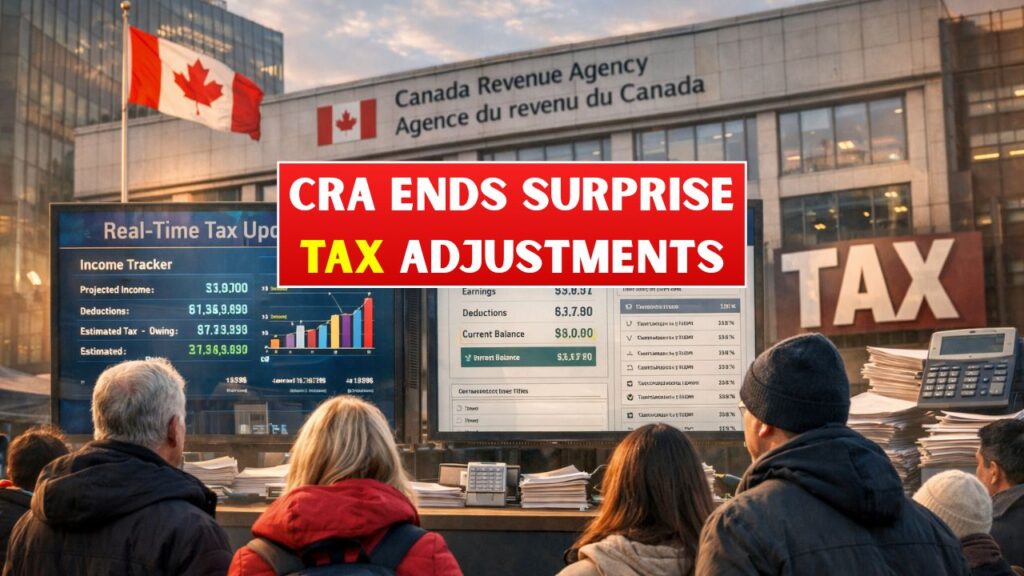
CRA real-time tax reporting update for Canadian taxpayers
The CRA real-time reporting update marks a significant shift for Canadian taxpayers who are used to reconciling everything at tax time. Under this system, income information such as employment earnings, benefits, and certain deductions will be reported to the Canada Revenue Agency closer to when they occur. This allows discrepancies to be flagged earlier instead of appearing as adjustments months later. For people across Canada, it means greater confidence that their tax records reflect reality throughout the year. Employers and payers also play a role, as timely and accurate submissions help reduce downstream errors. Overall, the goal is to create a smoother, more predictable tax experience for Canadians.

Real-time income reporting changes affecting Canadians nationwide
For Canadians nationwide, real-time income reporting is expected to improve accuracy and reduce administrative stress. Instead of waiting until annual returns are processed, taxpayers can see how reported income aligns with CRA records in near real time. This is especially helpful for those with multiple income sources, contract work, or frequent job changes. By identifying mismatches early, individuals can correct errors before penalties or interest build up. From the perspective of residents across Canada, this change supports better financial planning, as estimated taxes and benefits become more reliable. It also reflects a broader move toward digital-first public services.

| Aspect | Before 2026 | From 10 January 2026 |
|---|---|---|
| Income reporting timing | Mostly annual | Ongoing, near real time |
| Tax adjustments | Often after filing | Identified earlier |
| Error detection | Delayed | Faster correction |
| Taxpayer visibility | Limited during year | Improved year-round |
Canada Revenue Agency reporting reform for individuals
The Canada Revenue Agency reporting reform is particularly relevant for individuals who rely on accurate withholding and benefit calculations. With real-time data, the CRA can better align credits, repayments, and balances owed throughout the year. For Canadian residents, this may reduce large refunds or bills that come as a shock after filing. It also encourages proactive engagement, as taxpayers can review and address issues sooner. While some may need time to adjust to the new flow of information, the long-term benefit is a more balanced and transparent relationship between citizens and the tax authority.
Impact of real-time tax data for people in Canada
The impact of real-time tax data for people in Canada goes beyond convenience. By improving accuracy and timeliness, the system supports fairer assessments and strengthens trust in the tax process. Canadians can make informed financial decisions during the year, knowing their reported income is up to date. It also helps reduce administrative burdens for the CRA by minimizing back-and-forth corrections. Over time, this approach is expected to streamline compliance, lower error rates, and create a more responsive tax environment for individuals and families throughout the country.
Frequently Asked Questions (FAQs)

1. When does CRA real-time reporting start?
The new real-time reporting system begins on 10 January 2026.
2. Who is affected by this change in Canada?
Most Canadian taxpayers, employers, and income payers will be affected.
3. Will this reduce surprise tax bills?
Yes, earlier detection of errors helps reduce unexpected adjustments.
4. Do taxpayers need to take immediate action?
No immediate action is required, but reviewing CRA records regularly is recommended.